
In this article
Wine, botanicals and a little extra alcohol
Vermouth is a white wine to which alcohol, sugar and an infusion of botanicals have been added. The plant that has historically played the leading role is grand wormwood (Artemisia absinthium), a very bitter member of the mugwort family. It is the plant that gave the drink its name: in German it is called “Wermut”. The Italians turned that into “vermut”, and French into “vermout” or “vermouth”. It has nothing to do with the green liqueur of the same name, even though that is also made from this plant. Around it revolve gentian (a bitter root), cinchona (a bitter bark), bitter orange peel, cinnamon, and sometimes several dozen other plants and spices.
Red vermouth is not made from red wine. Its colour comes mainly from added caramel, and its roundness from sugar. It is a detail that often surprises people, and it explains why a red vermouth and a bianco vermouth can share the same base.
What makes a good bottle
Three things come through immediately: the quality of the base wine, the finesse of the bitterness, and the balance of the sugar. A mediocre vermouth gives itself away with sugar that lingers in the mouth and a flat bitterness that seems to sit on top.
The label Vermouth di Torino, protected since 2017, guarantees production in Piedmont to a precise set of rules. It is not an absolute guarantee of quality, but it is a reliable marker when you don’t know a brand.
The mistake almost everyone makes
Vermouth is wine. Once the bottle is open, it oxidises exactly like a bottle of white — just more slowly, thanks to the added alcohol. A bottle left for six months in a warm cupboard is not just tired: it tastes different.
The rule fits in one sentence: keep it in the fridge and use it within three months. If you don’t use much, buy half bottles rather than a large economy size, three quarters of which will end up down the sink.

Got some at home?
Red vermouth
Where it makes the difference
In the Negroni, it tempers the Campari and brings the sweet binding element without which the cocktail would be purely bitter — its story is told in Negroni: the story of an impatient count. In the Manhattan, it carries the whisky’s spice. In the Americano, it takes centre stage, almost on its own — which makes it a good cocktail for judging a bottle.


What to use instead
- Sweet bianco vermouth
- Same structure, less bitterness and no colour. The cocktail becomes softer and loses its coppery hue — fine in a Manhattan, noticeable in a Negroni.
- Byrrh or Dubonnet
- French aperitifs made from wine and cinchona (quinine bark). Sweeter and fruitier, they work well wherever vermouth provides a sweet base.
- Ruby port
- An honest stand-in, but sweeter and without the bitterness of wormwood and roots. Use slightly less.


Frequently asked questions
Does vermouth keep outside the fridge?
No, not once opened. It is wine: it oxidises. A bottle left at room temperature turns flat and vinegary within a few weeks, often without anyone noticing, since it gets mixed into cocktails.
Red, bianco, dry: what is the difference?
Red (rosso) is sweet and coloured with caramel. Bianco is sweet but clear. Dry is dry and pale: it is the one used in the Dry Martini (the cocktail). They cannot stand in for one another without changing the cocktail.
Is an expensive bottle worth it?
The jump in quality is felt mainly between the mass-produced entry-level bottles and the first craft vermouth. Beyond that, the differences become a matter of taste rather than quality.
Can you drink it on its own?
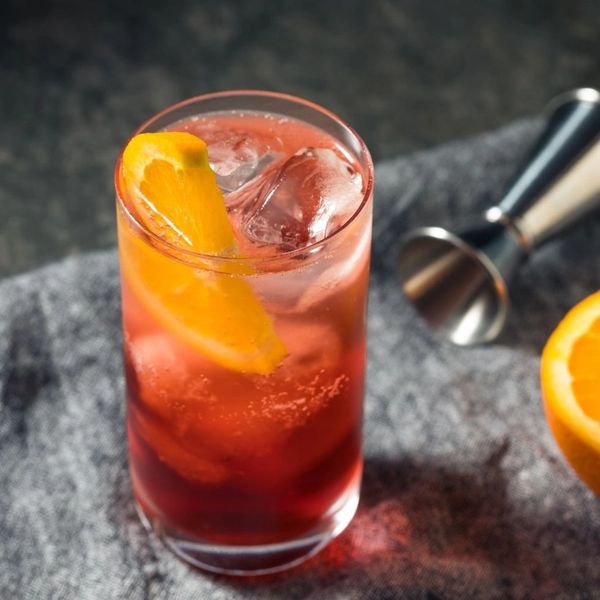
That is actually what it was first made for: serve it chilled, over ice, with a twist of orange peel. It is also the best way to judge a bottle before using it in a cocktail.
Try them
The cocktails in this article


And at home?