Amaretto Sour
The bottle’s signature cocktail
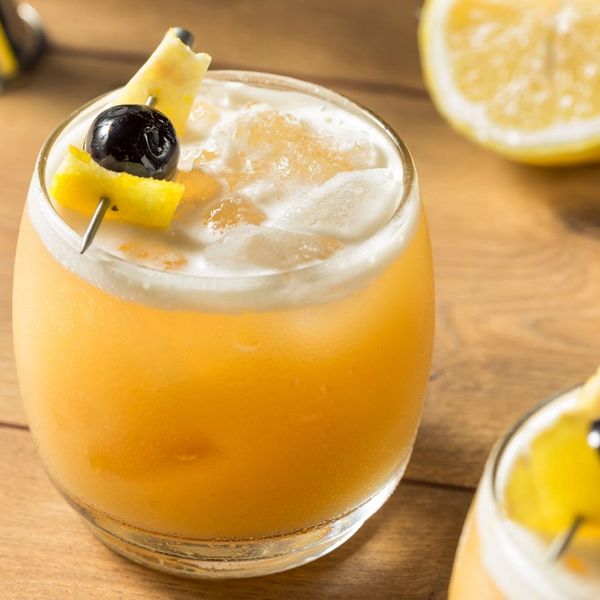
Amaretto, fresh lemon, egg white: the easiest sour there is, sweetened by the liqueur itself. The bourbon version adds kick — both camps have a point.
See the recipe →
Amaretto is the bottle at the back of every French cupboard: bought for a tiramisu, forgotten ever since. That is a shame, because it is one of the easiest liqueurs to mix with — sweet, rounded, with an almond flavour that forgives almost any measure.
Amaretto is an Italian almond liqueur — or, more precisely, a liqueur made from stones (kernels), most often apricot, sometimes real almonds, steeped in alcohol with sugar. The best known, Disaronno, is 28% ABV and does not actually contain a single almond: it all comes from apricot kernels. On the palate it is sweet and rounded, somewhere between frangipane and marzipan, with a hint of bitterness on the finish that keeps the whole thing from tasting syrupy.
Behind the bar, amaretto has a precise job: it brings the sugar AND the flavour in one go. Where a classic sour (spirit, citrus and sugar) needs both a syrup and a spirit, amaretto does both — which is why the Amaretto Sour became the bottle’s signature cocktail. The downside: at 28%, it lacks backbone on its own. The best recipes pair it with a stronger spirit, or with coffee.

Got some at home?
Amaretto
Amaretto, fresh lemon juice and an egg white for the foam: the sweetness of the liqueur against the sharpness of the lemon, with almond wrapped around it all. It is the most approachable sour there is — no syrup to make, no tricky measuring. The version served in serious bars adds 1.5 cl of bourbon for extra kick: try both, and you will soon know which camp you are in.
Two ingredients, one glass, ice: whisky and amaretto, in an old fashioned glass (a short, heavy tumbler). The Godfather is the after-dinner cocktail par excellence — the almond softens the whisky, the whisky keeps the almond in check. Start with two parts whisky to one part amaretto rather than equal parts: the 1:1 version of the 1970s is a dessert.
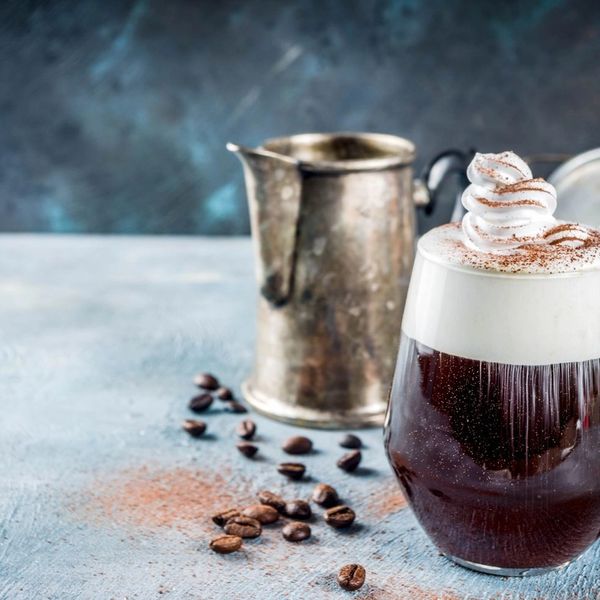
Amaretto and coffee are made for each other — that is the idea behind the Amaretto Coffee, the Italian cousin of the Irish Coffee: the liqueur sweetens the hot coffee, and lightly whipped cream sits on top. No need for added sugar, the amaretto takes care of it. It is also the best way in if cocktails aren’t your thing: it is hard to go wrong with a laced coffee.

The bottle was bought for a tiramisu, and it can go back to one: amaretto stands in for marsala in most recipes, flavours an affogato (a dash over vanilla ice cream, with the espresso poured on top) and transforms an orange salad. Allow two centilitres, never more — in the kitchen as at the bar, almond quickly overwhelms.
Disaronno is the benchmark and you will find it everywhere; craft amarettos (Lazzaroni, for example) are less sweet and more complex. Once opened, the bottle keeps for years standing upright in a cupboard, away from the light — the sugar protects it. If it crystallises around the neck, a quick run under hot water sorts it out.
The bottle’s signature cocktail
Amaretto, fresh lemon, egg white: the easiest sour there is, sweetened by the liqueur itself. The bourbon version adds kick — both camps have a point.
See the recipe →Two ingredients, no excuses
Whisky and amaretto over ice, in an old fashioned glass. The after-dinner drink for quiet evenings: start with two parts whisky to one part amaretto, as the equal-parts version is a dessert.
See the recipe →The laced coffee for winter Sundays
Hot coffee sweetened with amaretto, lightly whipped cream poured over the back of a spoon. The Italian take on the Irish Coffee — and the hardest recipe on this page to get wrong.
See the recipe →Tick what you already have: the recipes you can make update in My Bar.
From fruit stones (kernels) — most often apricot — and sometimes real almonds, steeped in alcohol with sugar. Disaronno, the best known, actually contains no almonds at all: its flavour comes entirely from apricot kernels. Most amarettos are between 21% and 28% ABV.
Disaronno is a brand of amaretto, the most widespread one — just as Cointreau is a triple sec. Other houses, such as Lazzaroni or Luxardo, make less sweet or more bitter versions. In the recipes on this site, ‘amaretto’ means the category: use whichever one you have.
Yes, as an after-dinner drink, over one or two ice cubes — that is in fact the most common way to drink it in Italy. Served very cold, its sweetness is less noticeable. If you find it too sweet on its own, the Godfather (whisky and amaretto) is exactly the remedy.
With another stone-fruit liqueur: Noyau de Poissy (a French apricot-kernel liqueur), apricot liqueur, or even orgeat (an alcohol-free almond syrup) for the almond alone, alongside a spirit. The result changes, but the logic of the cocktail — sugar plus almond — stays the same.
Try them
And at home?
* Prices and availability come from Amazon, are accurate as of the date and time shown (Paris time) and may change. The price and availability shown on Amazon.fr at the time of purchase apply.