The Halloween cocktail has a bad reputation, and it has earned it. Every year, the same recipes do the rounds: blue curaçao to make a ‘potion’, grenadine to make ‘blood’, jelly sweets at the bottom of the glass. The result is sugary, lukewarm and undrinkable, and nobody goes back for a second.
Yet there’s a whole corner of the classic repertoire that does the job without fancy dress. Cocktails that are dark red because they contain Campari or pomegranate, cocktails that are black because they’re made with coffee liqueur, cocktails that are cloudy because absinthe goes into them. They’re a century old, they’re good, and some of them have names you won’t dare explain at the table. Here are the eight we serve at the end of October.
Red without food colouring
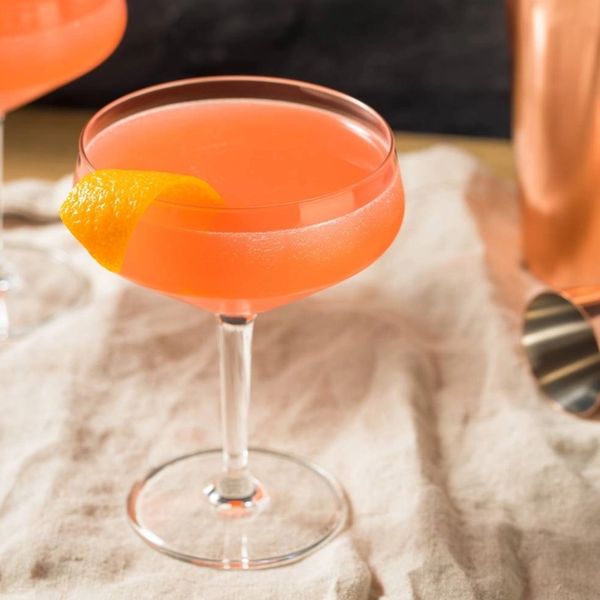
Two ingredients give a true dark red: Campari and homemade grenadine. The Bloodhound earns its name, and so does the Monkey Gland, for far worse reasons. The latter is named after a monkey gland grafting operation performed in Paris in the 1920s by a Russian surgeon, supposed to rejuvenate his patients. Harry MacElhone named the cocktail in its honour. We’ll let you decide whether that’s in very good taste.
If you want a brighter red, make your own grenadine: pomegranate juice reduced with the same amount of sugar, ten minutes on the heat. It keeps for three weeks in the fridge and is nothing like the shop-bought syrup.
Black, cloudy and smoky
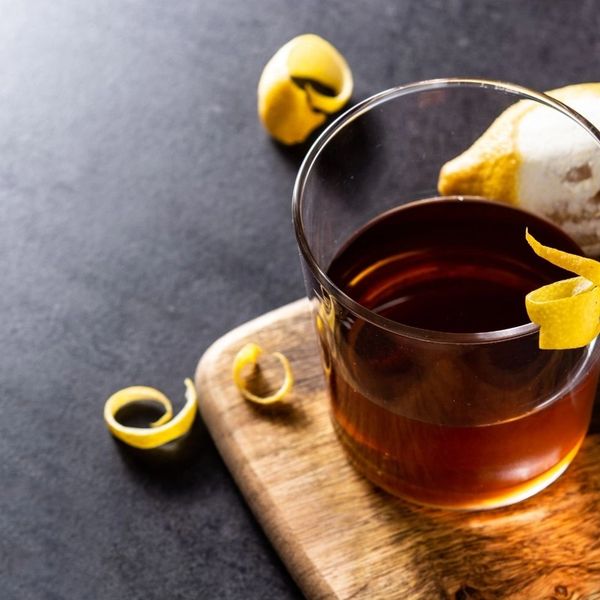
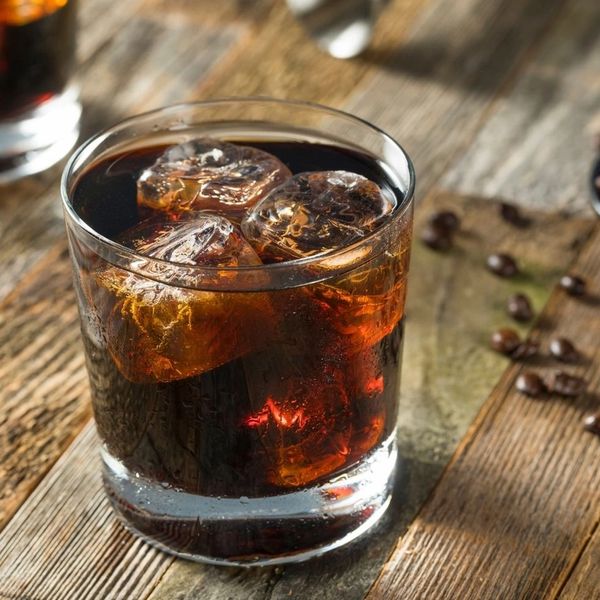
The Black Russian is the simplest of the dark cocktails: vodka and coffee liqueur over ice, and that’s it. The Sazerac, for its part, is cloudy: the glass is rinsed with absinthe before it’s filled, and that aniseed veil on the nose does all the work of setting the mood. The Vieux Carré plays in the same register, only richer: whisky, cognac, vermouth and two bitters, a recipe from the Hotel Monteleone in New Orleans, a city that needs no help to be spooky.
The cocktail once limited to two per person
The Zombie is the only one on this list that deserves a warning. Three rums, falernum, absinthe, spices: Donn Beach served it in Hollywood in 1934 with a rule posted at the bar, two glasses per customer at most. He wasn’t bluffing. It’s our most-viewed recipe in the run-up to Halloween, and it’s the only one we ask you to measure with a jigger (a bartender’s measuring cup) rather than by eye.
A drink for those who don’t drink
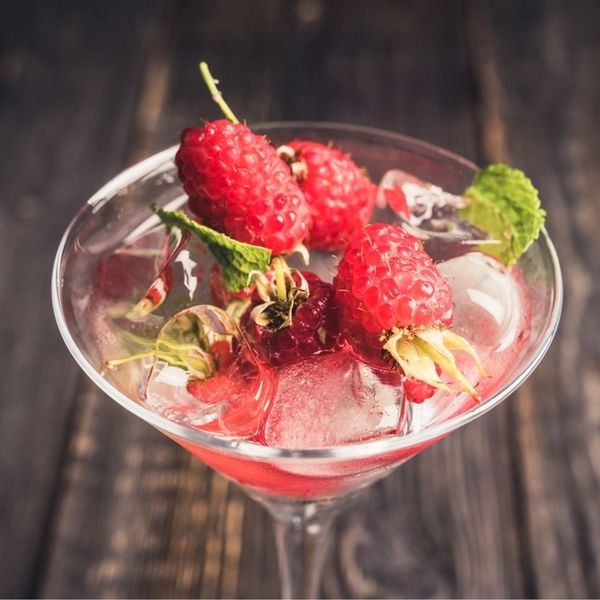
A Halloween party always has children, drivers and people who don’t drink. The Pomegranate Rosemary Mocktail does the job: pomegranate juice, rosemary-infused syrup, soda water. It’s deep red, herbal, and it looks like a real cocktail in a real glass, which is exactly the point.
Dry ice: let’s talk about it
It’s the effect everyone is after: the little cloud spilling over the rim of the glass. Two things to know before you buy any. First, it burns: it’s at −78 °C, so you handle it with gloves and never with bare hands. Second, you don’t swallow it. The piece must stay at the bottom of a bowl or bucket placed under the glasses, or in a compartment the drinker can’t get it out of. If you have the slightest doubt, forget it: a well-chilled glass and low lighting give 80% of the same effect.
Serving fifteen people without spending the night at the shaker
Of the eight, three are made in the glass and keep up the pace: the Black Russian, the long version of the Bloodhound, and the mocktail. The Zombie and the Sazerac, on the other hand, are made one at a time. Our method: make a jug of the long version in advance for most of your guests, and keep two or three shaken cocktails for those who come to see you at the bar. Nobody notices the difference, and you get to enjoy your own party.